
Space

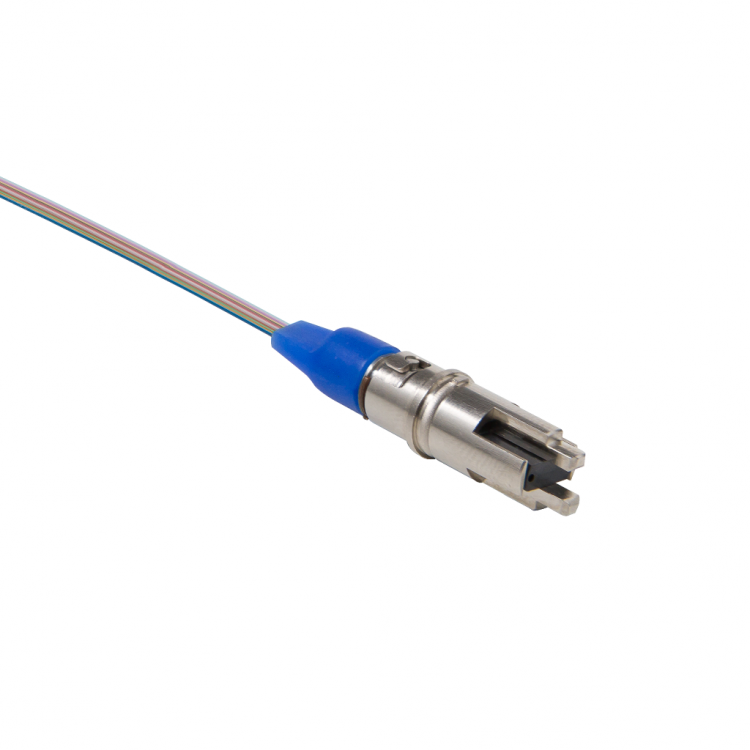

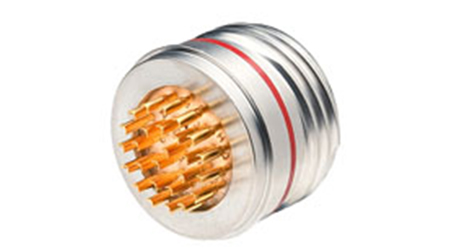

Connector solutions for use in space.

Due to their unique mission, space connectors have special requirements to satisfy in regard to their shape, size, and materiality (not unlike military connectors).
Space connectors must be compact, first of all, because there is only so much room on a space vehicle. Weight is another major consideration. Costs to launch a payload into space is directly related to the weight of that payload so lightweight connectors are desirable. But space connectors can’t just be small and lightweight, they have to be extremely reliable as well and they must be able to withstand severe environmental conditions like shock, extreme temperatures and vibration.
The material the connector is made out of is especially important for space connectors because of the emphasis on low levels of residual magnetism and outgassing. Many manufacturers create their connectors out of elastomers and plastics. Some of these materials contain compounds that may outgas over time, so component suppliers often have these compounds removed during the manufacturing process (usually through a bake-out process).

